The formation of new species is always a great way to discuss evolutionary change over time. Most textbooks do an adequate job of providing examples of how geographic isolation contributes to the the process of speciation. However, where many books are lacking is showing how the resulting species then adapt to their new environment following the establishment of the geographic barrier. If you are looking for an interesting way to show the relationship between geographic isolation, adaptation, and speciation, then you need to visit a very special group of frogs in southeast Asia.
A study coming out of
UC Berkeley demonstrates how a really big mountain range, the Himalayas, has influenced the speciation of frogs in Southeast Asia. the study focuses on a group of amphibians commonly called the spiny frogs. According to t
he article , the ancestors of the spiny frogs first occupied the area that is now western China around 27 mya. When the Indian subcontinent collided with south Asia, the uplifting created the Himalayan mountains, and created the Tibetan plateau. Right in the middle of these events were the spiny frogs. And as their environment changed, the spring frogs diverged into several very different species - the
Nanorana subgenus, which occupies elevations up to 4,700 meters, and the lowland
Quasipaa group.
But what is interesting about this study is not that it is just another example of allopatric speciation. Rather, a closer look at the species of frogs in the report reveals some really interesting adaptations that have occurred in these spiny frogs, most notably the
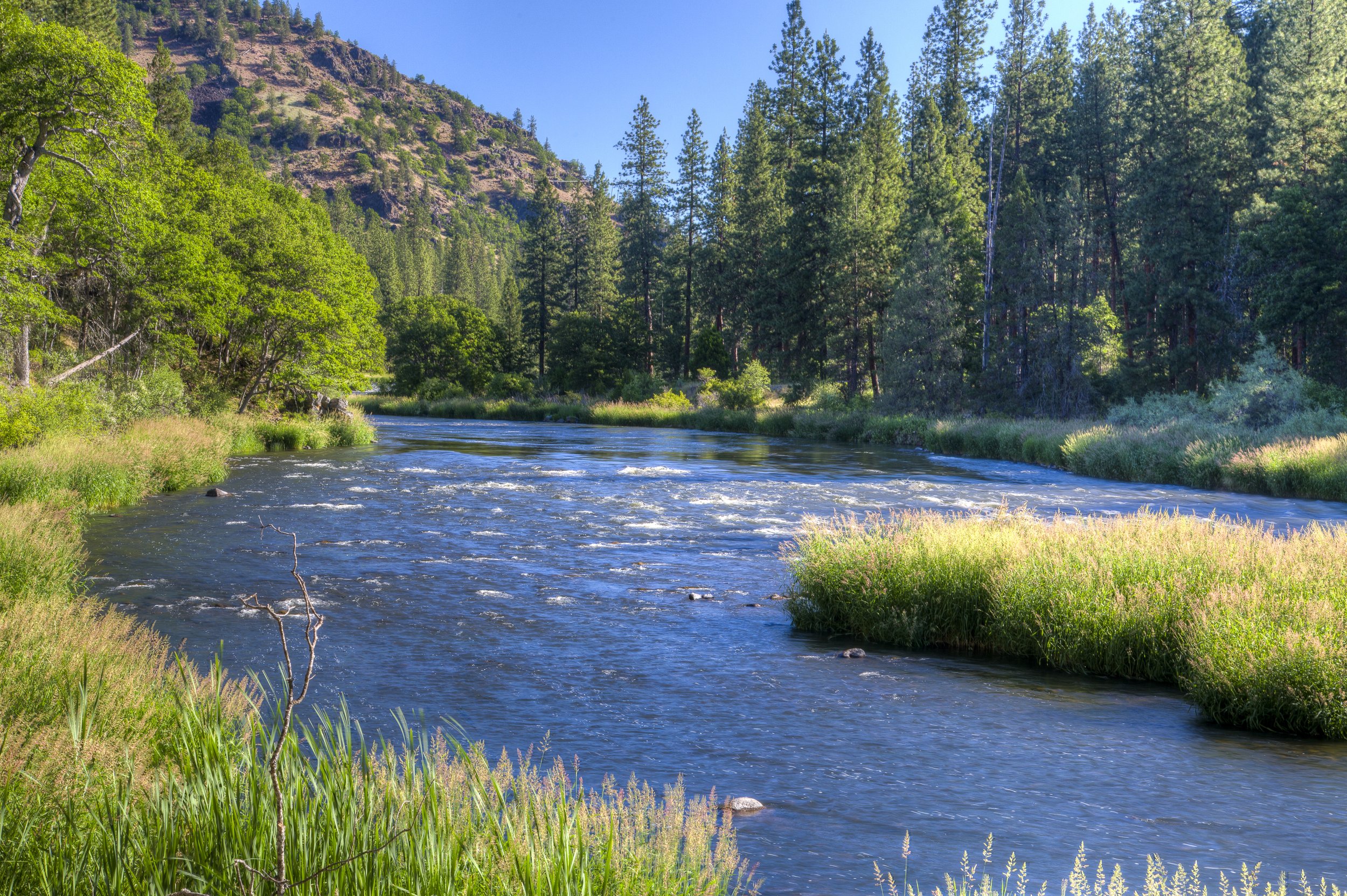
Nanorana species. These frogs are well adapted to life at high-elevation. As frogs, their life cycle is tied to the water environment. However, unlike the rivers and lakes of the lowlands, the waters of high elevation mountains moves fast, which can create some real problems for holding onto a mate. But the
Nanorana have evolved some interesting adaptations. The most notable one is that the male frogs have large forearms (see photo) and spines on their chests, allowing them to establish a firm grip on the females despite the rapid rush of water. These features are largely absent in the
Quasipaa group. Other adaptations to a cold, oxygen-deprived environment, include evidence of organ degeneration, although the
authors of the paper are careful to note that additional studies of these adaptations are needed. Overall, however, the research does provide an interesting look at how new species form due to geographic isolation.
Additional resources